
Roof replacement
Explore a complete roofing system, from shingles and underlayment to ventilation and flashing, with a scope tailored to your home.
Explore roof replacementResidential roofing, thoughtfully done
Roof repair, replacement, and inspections with Prime Home Exterior’s nationwide roofer network.
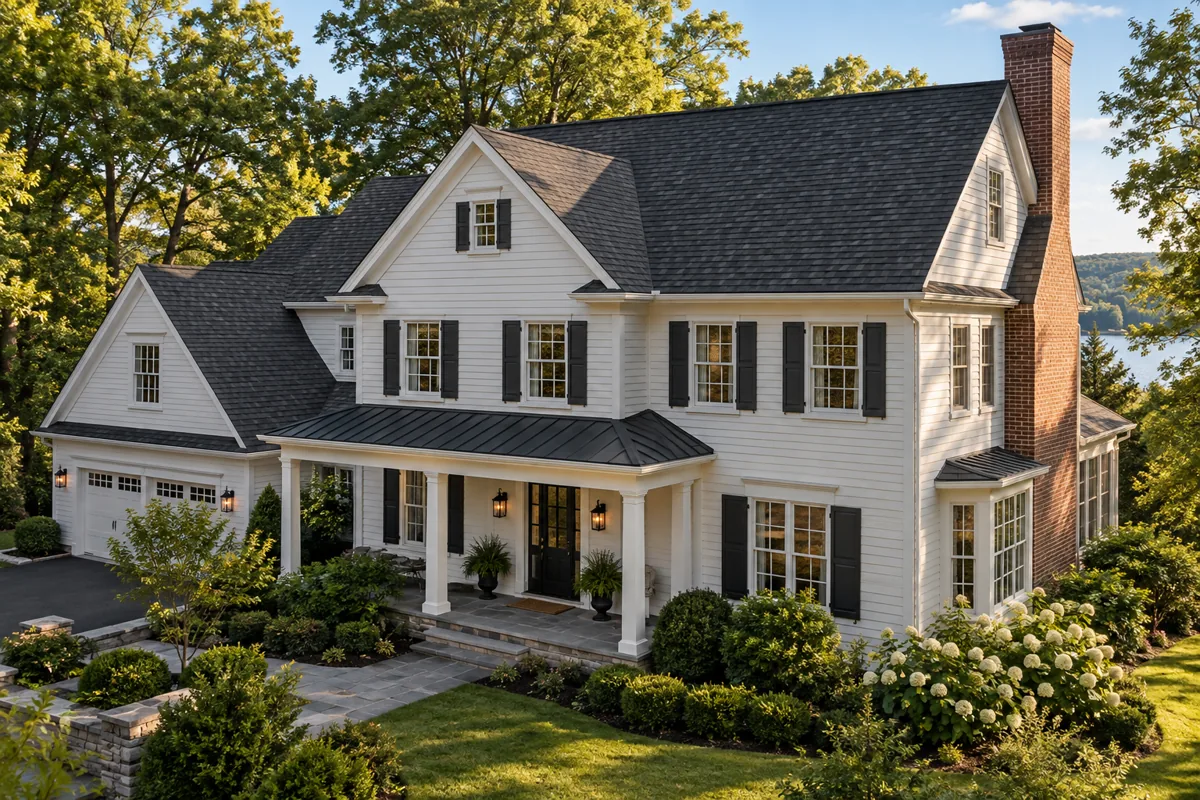
Illustrative home design
A persistent leak. An aging roof. Damage after a storm. Start with the concern you have, and explore the next step.
Explore a complete roofing system, from shingles and underlayment to ventilation and flashing, with a scope tailored to your home.
Explore roof replacementAddress leaks, missing shingles, and vulnerable roof details. An assessment helps determine whether a repair is the right fit.
Explore roof repairUnderstand visible damage after wind or hail, document your concerns, and discuss practical options for restoring your roof.
Explore storm-damage assessmentGet a clearer picture of your roof's condition before planning maintenance, a repair, or a larger replacement project.
Explore roof inspectionBuilt around your home
Explore roofing materials before you make a decision. Final availability and specifications depend on your project.
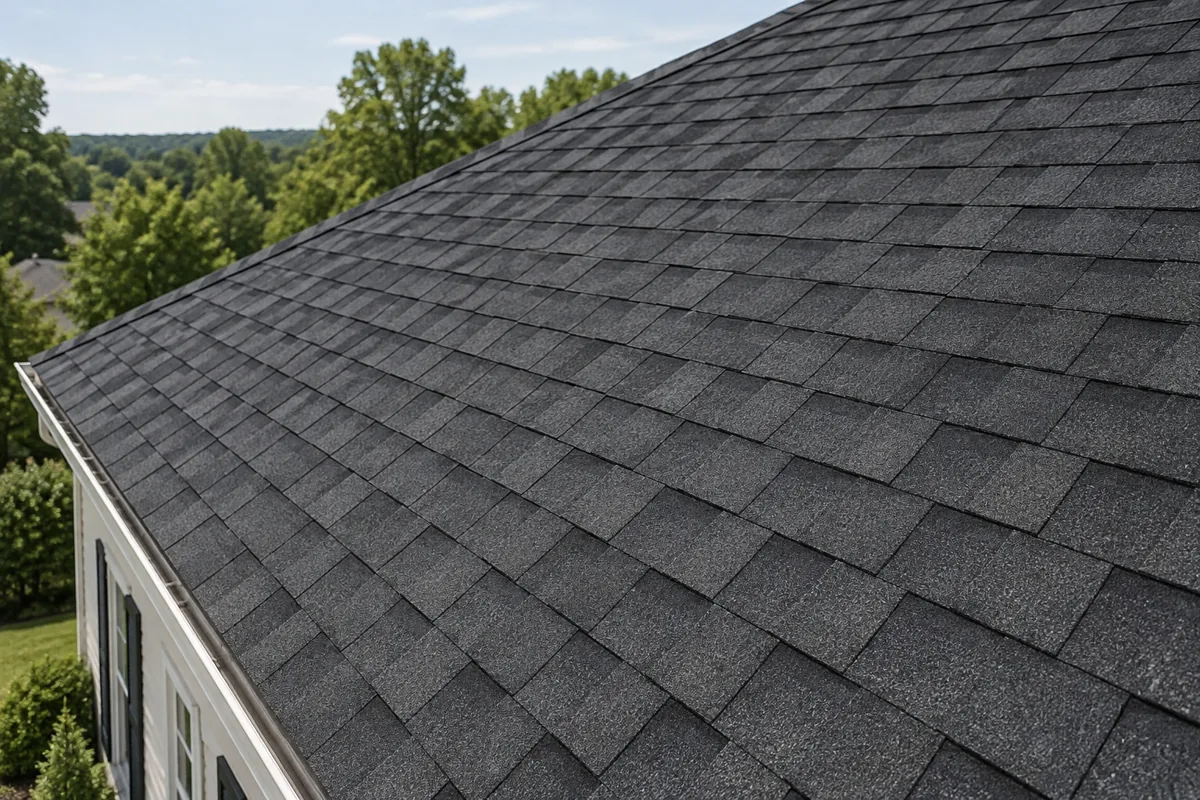
Dimensional shingles offer a layered appearance and a range of colors for pitched roofs.
Dimensional shingles offer a layered appearance and a range of colors for pitched roofs.
What to discuss: Product rating, ventilation, warranty terms.
Metal panels and shingles offer several profiles, finishes, and fastening systems.
What to discuss: Panel profile, fastening, expansion.
Fired clay tiles bring warm color and curved or flat profiles to a roof.
What to discuss: Roof structure, tile profile, underlayment.
Molded concrete tiles come in multiple shapes and colors, including styles inspired by clay or slate.
What to discuss: Structural load, installation, underlayment.
Natural stone tiles give a roof a distinctive layered appearance. Installation and structural suitability need careful review.
What to discuss: Structural capacity, flashing, specialist installation.
Wood roofing offers natural texture, with smoother shingles or more rustic shakes.
What to discuss: Local fire requirements, treatment, maintenance.
Composite products can recreate slate, shake, or tile looks. Specifications vary by manufacturer.
What to discuss: Product testing, installation, coverage.
A thermoplastic single-ply membrane used on low-slope roofs, with heat-welded seams.
What to discuss: Attachment, seam quality, drainage.
A thermoplastic single-ply roofing system with welded seams for suitable low-slope applications.
What to discuss: Membrane specification, compatibility, drainage.
A synthetic rubber membrane used for low-slope roofing, commonly available in black.
What to discuss: Seams, attachment, flashing details.
Asphalt-based sheets modified with polymers create a low-slope roofing system with several installation options.
What to discuss: Application method, layers, drainage.
Multiple layers of roofing felt and bitumen form a low-slope system, often finished with gravel or a cap sheet.
What to discuss: Layer assembly, structural load, maintenance.
Spray-applied foam with a protective coating forms a continuous system on suitable roofs.
What to discuss: Substrate preparation, coating care, drainage.
A planted assembly sits above waterproofing and drainage layers. Structure and ongoing care are part of the design.
What to discuss: Structural capacity, waterproofing, upkeep.
Solar shingles or tiles integrate electricity generation into the roof covering.
What to discuss: Electrical design, roof suitability, product availability.
A clear plan makes a roofing project easier to navigate. Here's the proposed path from first conversation to final walkthrough.
Review your concerns, roof details, and the work that may be needed.
Compare the scope, materials, and written estimate before deciding.
Agree on access, scheduling, property protection, and installation details.
Review completed work, cleanup, care instructions, and applicable coverage.
Prime Home Exterior
Our focus is roofing. The goal is simple: help you understand your home’s needs and make an informed decision about the roof above it.
From the first question to the final details, we believe a good roofing experience starts with a clear conversation.
A few useful starting points before you plan your next roofing project.
That depends on the extent of damage, the roof’s condition, and the cause of the problem. An inspection helps identify whether a targeted repair or a broader replacement is appropriate.
Roof size and complexity, materials, access, removal of existing roofing, and any underlying repairs all influence cost. A written project-specific estimate is more useful than a generic online price.
Look for the work scope, material specifications, removal and disposal, installation details, possible additional costs, payment terms, and the applicable warranty information.
Timing depends on the roof, work scope, weather, and material availability. Confirm a project-specific schedule and how weather delays will be communicated before work starts.
Material coverage and workmanship coverage may be separate. Ask for written terms, including exclusions, responsibilities, registration requirements, and whether coverage can transfer.
Start with a conversation
Tell us what you're noticing and what you'd like to improve.
Contact and scheduling are being finalized. You can prepare and download your project details here; this preview does not send a request.